Table of Contents
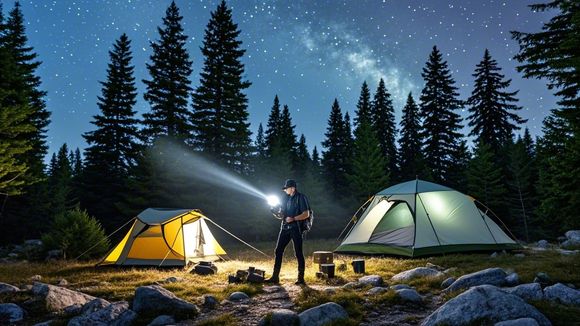
Flashlights are handheld devices that emit light to illuminate dark areas, while tasers are electroshock weapons designed to incapacitate a person temporarily through electric shock. Flashlights are essential for visibility, whereas tasers are used in law enforcement and self-defense to temporarily disable threats. Both devices have specific functions and use cases that cater to different safety needs. Understanding their differences is important when selecting the right tool for various situations.
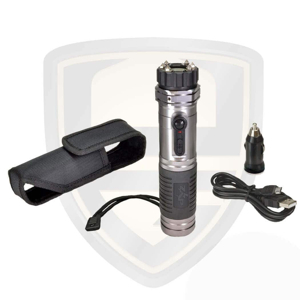
Table of Contents
What Are the Market Trends in Tactical Flashlights?
As the demand for reliable, high-performance equipment grows, the global tactical flashlight market is projected to grow from $341.6 million in 2024 to $755 million by 2031, with a compound annual growth rate (CAGR) of 12%.

This rise is fueled by advancements in technology and a growing interest in outdoor activities, military operations, and personal safety. North America is expected to lead this growth, emphasizing the importance of tactical flashlights in various sectors. This increase in market share highlights the shift towards multifunctional devices that combine reliability and performance.
| Year | Global Market Value (in millions) | CAGR (%) |
|---|---|---|
| 2024 | 341.6 | 12% |
| 2031 | 755 |
How Effective Are Tasers in Law Enforcement?
In contrast to the expanding flashlight market, tasers, used predominantly in law enforcement, have faced mixed reviews regarding their effectiveness. Reports show that they are only effective in 55% to 80% of real-life situations, which is considerably lower than the manufacturers’ claimed 97%. This variance highlights the complexities of using tasers in high-stress situations where effectiveness can be reduced. Understanding these limitations is crucial for law enforcement and individuals considering their use.
What Are the Pros and Cons of Flashlights and Tasers for Personal Safety?
When choosing between these devices, it’s essential to weigh their advantages and drawbacks in personal safety scenarios. Flashlights offer visibility and can serve as a striking tool when needed, making them versatile and legal to carry. However, they don’t incapacitate a threat directly. On the other hand, tasers provide a means of self-defense from a safe distance, but they are not always reliable and have legal restrictions in some areas. Making an informed decision based on these factors is vital for those prioritizing safety.
Flashlight Pros:
- Provides visibility
- Can be used as a striking tool
- Legal in most places
Taser Pros:
- Designed for incapacitation
- Effective range of up to 15 feet
Flashlight Cons:
- Limited to visibility and defense tools
- Less effective in high-stress situations
Taser Cons:
- May fail to work effectively
- Legal restrictions on carrying tasers
What Are the Latest Technological Innovations in Flashlight and Taser Design?
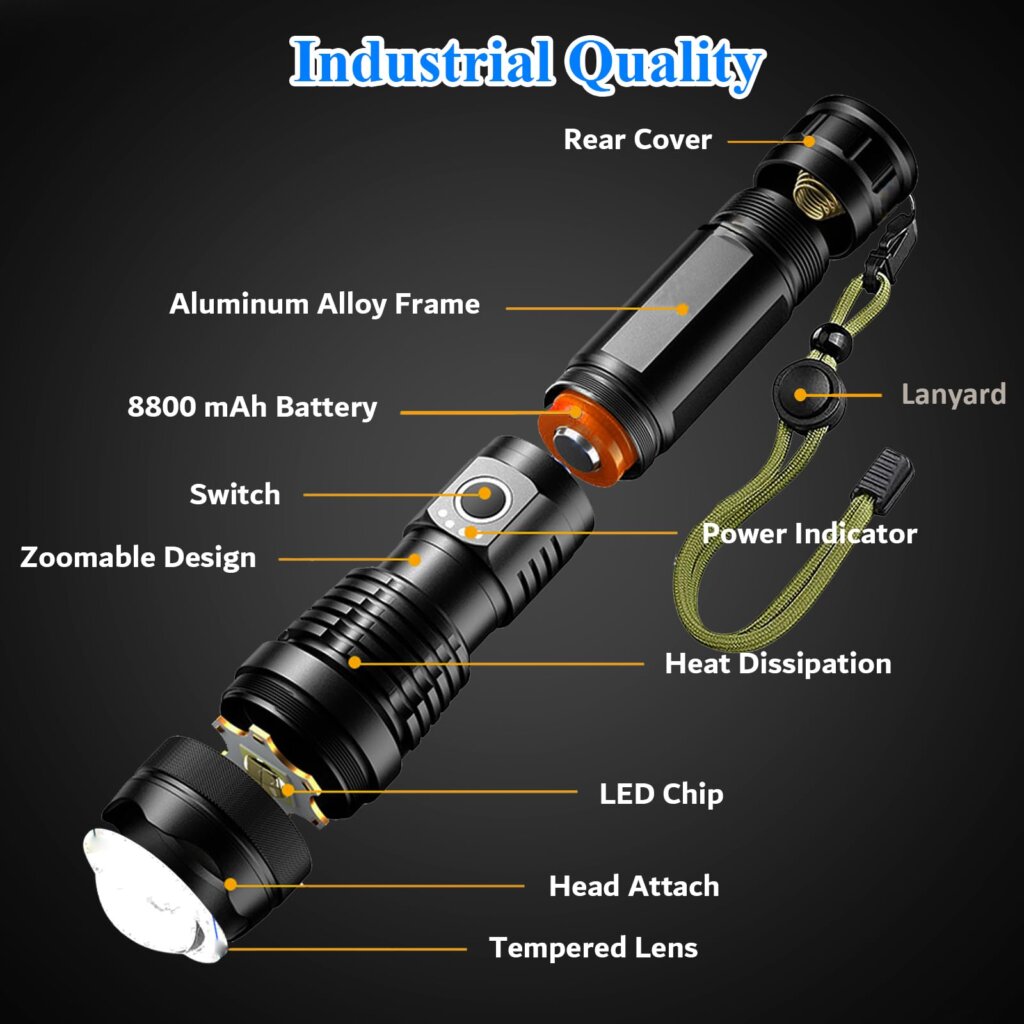
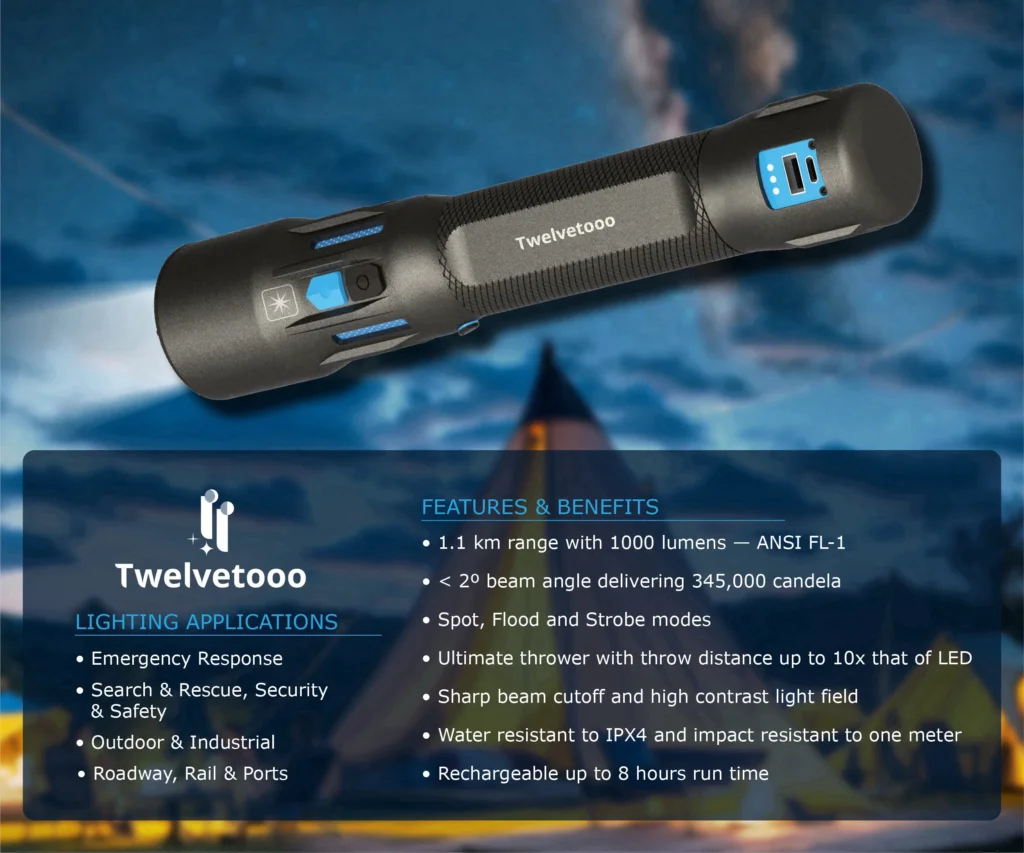
As technology continues to evolve, recent advancements in both flashlights and tasers have made them more powerful and user-friendly. LED technology in flashlights has significantly improved their brightness and battery life, while tasers now feature advanced targeting systems, such as lasers, to improve accuracy. These improvements enhance the overall performance of these devices, making them more effective for both professional and personal use. The focus on innovation ensures that both types of devices will remain essential in security and safety applications.
What Are the Safety Considerations When Using Tasers?
When using any device for self-defense, safety is paramount. Tasers require proper handling and adherence to guidelines to minimize risks. Users must be trained to use them correctly and should always consider the legalities of carrying and using a taser in their location. While tasers are designed to incapacitate a threat, their effectiveness may vary, and improper use can lead to injury. Understanding these considerations helps ensure that tasers are deployed safely and effectively.

What Should You Look for When Purchasing a Flashlight or Taser?
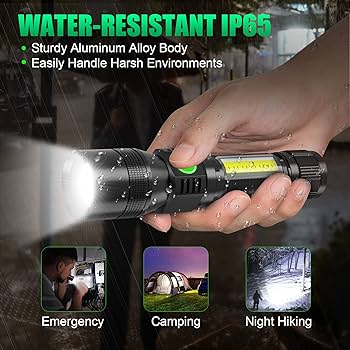
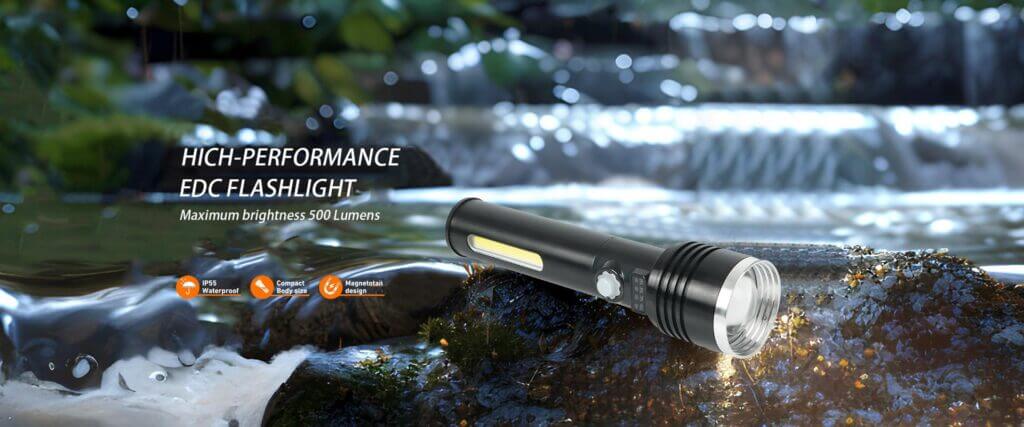
Choosing the right flashlight or taser involves considering several important features. For flashlights, consumers should prioritize brightness (lumens), battery life, and durability (waterproof ratings). Similarly, tasers should be selected based on their range, battery life, and ease of use. Additional features such as strobe settings or built-in lasers can also provide extra functionality, enhancing their performance in real-world situations. By evaluating these factors, individuals can make informed decisions tailored to their specific needs.
Case Studies: Real-World Applications of Flashlights and Tasers
To understand the practical applications of these devices, law enforcement agencies regularly rely on both flashlights and tasers in various operations. Flashlights are indispensable during nighttime patrols, providing necessary visibility, while tasers offer a non-lethal means of subduing suspects from a safe distance. These tools complement each other and enhance the overall safety of law enforcement officers and civilians alike. The combination of both in a single safety toolkit can provide a powerful response in high-stress situations.
FAQs about Flashlights and Tasers
What is the difference between a flashlight and a taser?
- A flashlight provides light, while a taser delivers an electric shock to incapacitate a person.
How effective are tasers in real-life situations?
- Tasers are effective in 55% to 80% of situations, lower than the manufacturer’s claimed 97% effectiveness.
Are tactical flashlights worth the investment?
- Yes, especially for outdoor enthusiasts or those requiring durable, multifunctional lighting solutions.
What features should I look for in a self-defense flashlight?
- Look for high lumens output, durability, compact size, and additional features like strobe modes.
Can a taser be used as a flashlight?
- Some models combine both functions, but tasers are primarily designed to incapacitate a person.
Conclusion: Which Device Is Right for Your Needs?
Ultimately, choosing between a flashlight and a taser depends on your personal safety preferences and the situations you are preparing for. Flashlights offer versatility and are legal in most areas, while tasers provide a distance-based means of incapacitation. Both devices play crucial roles in modern safety and self-defense, and when combined, they form a formidable safety toolkit. To explore high-performance flashlights or tasers, visit FlashlightVendor.com today.