Table of Contents
A rechargeable flashlight is a convenient, eco-friendly, and cost-effective lighting solution that eliminates the need for disposable batteries. Recharge via USB or wall outlets for long-lasting, powerful light, making them the ideal choice for outdoor enthusiasts, emergency preparedness, and everyday use.
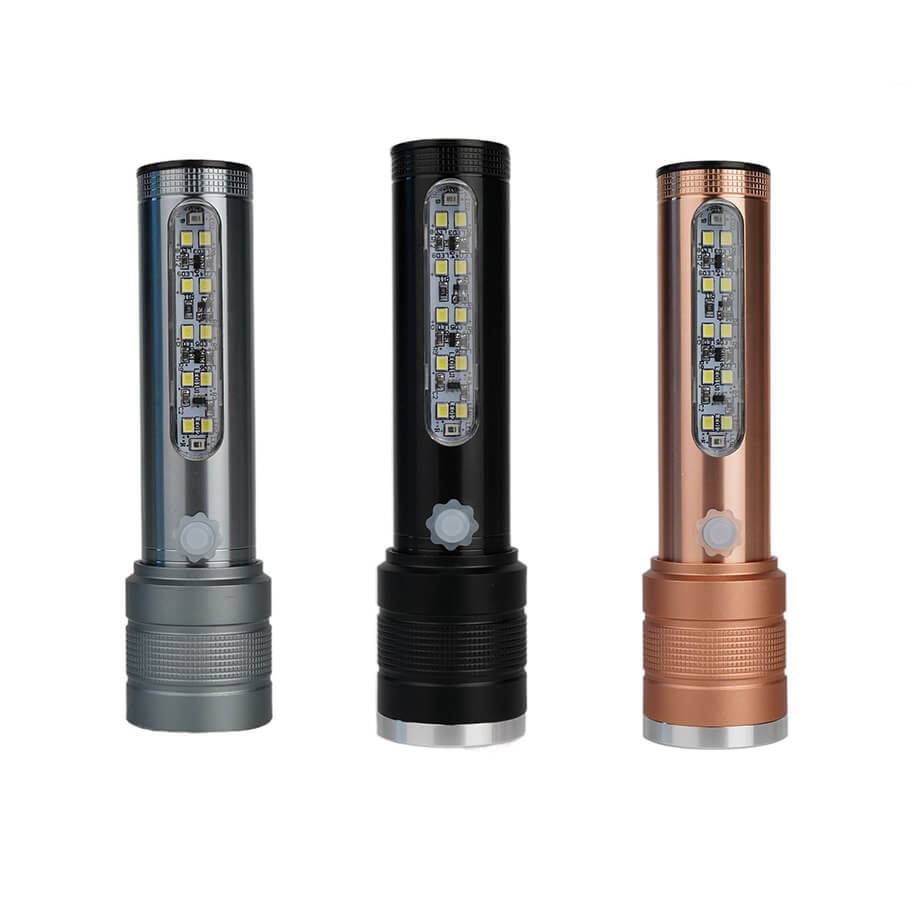
Rechargeable flashlights are modern lighting tools designed to provide consistent and reliable light while offering a sustainable solution by using rechargeable batteries.
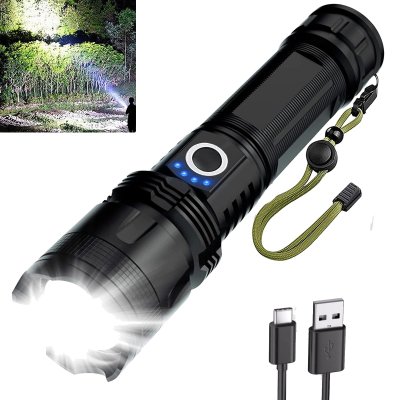
Unlike traditional flashlights, these models can be recharged multiple times, saving both money and resources. But what makes them stand out, and why should you choose one over a regular flashlight?
Table of Contents
Why Should You Choose Rechargeable Flashlights?
Rechargeable flashlights save you money, reduce waste, and offer convenient USB charging. They’re a sustainable choice, with long-lasting performance, ideal for outdoor adventures, emergency use, and home tasks. Enjoy reliable brightness without the need for disposable batteries.
Rechargeable flashlights are highly cost-effective in the long term. Once you invest in a rechargeable flashlight, you no longer need to keep buying disposable batteries, which can quickly add up. Additionally, they help reduce environmental waste caused by single-use batteries. With easy charging options like USB and wall outlets, they’re not only efficient but also eco-friendly.

What Should You Consider When Purchasing a Rechargeable Flashlight?
When buying a rechargeable flashlight, key factors to consider include brightness (lumens), battery life, charging method, durability (water and impact resistance), and size. Look for models that match your intended use for maximum performance.
To ensure that you’re purchasing a flashlight that fits your needs, focus on important features like brightness, which is measured in lumens. A higher lumen count means a brighter light, but be sure it fits your purpose (e.g., camping, home use). Battery life is also critical—make sure it lasts long enough for your needs. Finally, consider charging methods and durability, especially if you plan to use the flashlight outdoors.

How Do Rechargeable Flashlights Contribute to Sustainability?
Rechargeable flashlights significantly reduce environmental impact by eliminating the need for disposable batteries. They promote sustainability by lowering the number of batteries sent to landfills and reducing energy consumption over time.
By switching to rechargeable flashlights, you are helping to curb the environmental toll caused by disposable batteries. These flashlights require minimal resources, reducing waste and the carbon footprint associated with battery production. Plus, with some models featuring energy-efficient LED lights, they consume less power overall, further enhancing their sustainability.
What Are the Best Rechargeable Flashlights on the Market?
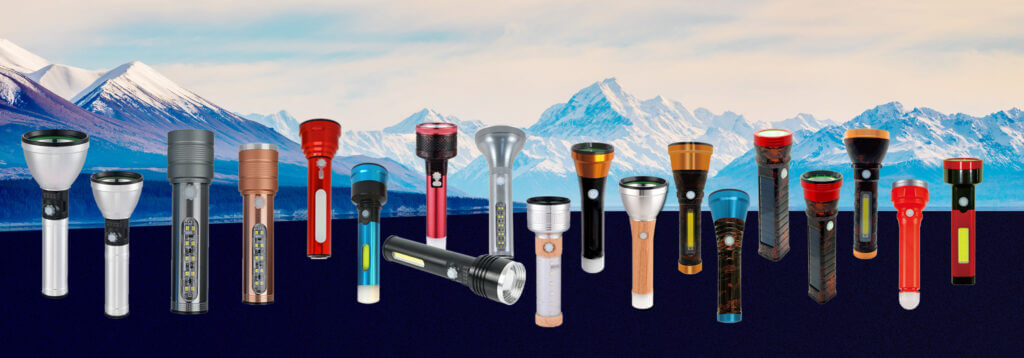
Top rechargeable flashlight models include the FLEXIT 2.0, COAST G25, and the versatile OBO Tech LED flashlight. They offer impressive brightness, long battery life, and rugged durability for outdoor or professional use.
| Model | Lumens | Battery Type | Runtime | Special Features |
|---|---|---|---|---|
| FLEXIT 2.0 | 200 | Rechargeable | Up to 70 hours | Multiple light modes |
| COAST G25 | 350 | Dual Power | 4h 30m (High) | Dust & water-resistant |
| OBO Tech LED | 500 | Rechargeable | 15-20 hours | Compact, durable for outdoor use |
These models are excellent choices for various activities, including camping, hiking, or industrial applications. Their combination of brightness, longevity, and charging efficiency makes them top contenders in the rechargeable flashlight market.
What Are the Common Uses for Rechargeable Flashlights?
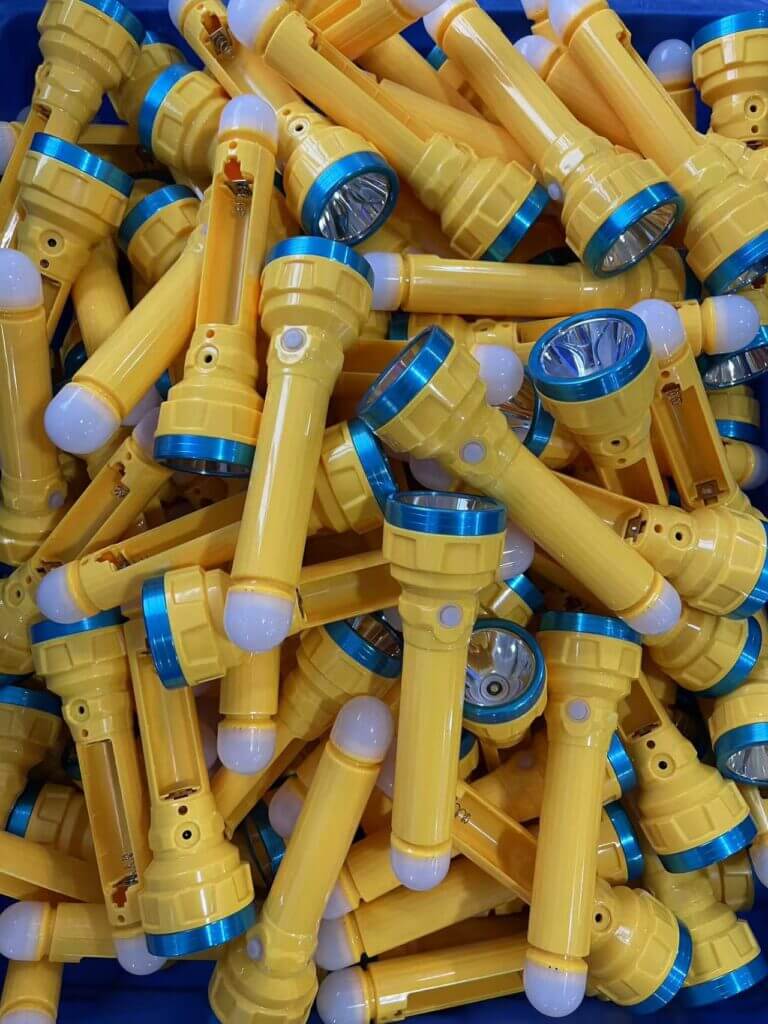
Rechargeable flashlights are ideal for emergency preparedness, outdoor activities like camping, and industrial use in fields like construction and law enforcement. They’re also highly useful for home repairs or everyday tasks that require reliable, hands-free lighting.
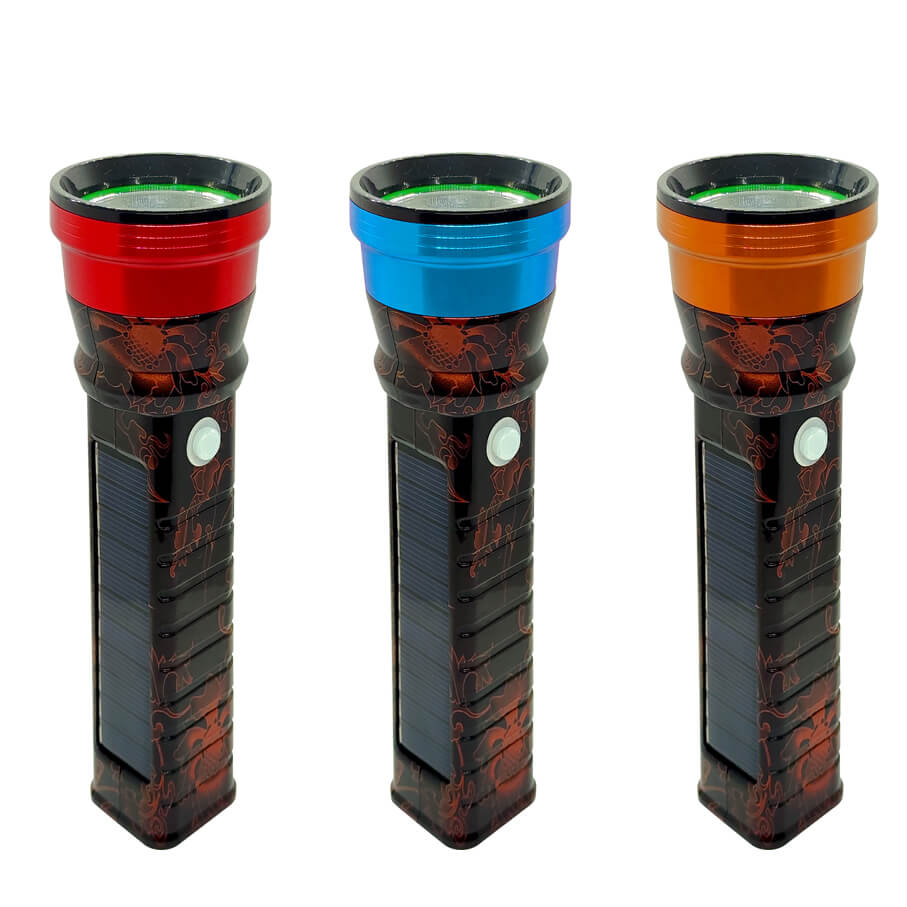
Rechargeable flashlights are versatile tools that serve a variety of purposes. At home, they’re great for emergency preparedness, especially during power outages. For outdoor activities like camping or hiking, they provide reliable, long-lasting light, so you can enjoy your adventure without worrying about running out of power. They are also essential in many professional settings, including construction, law enforcement, and emergency services.
How Long Do Rechargeable Flashlights Last?
Rechargeable flashlights can last for years, depending on battery type and usage. Lithium-ion batteries, commonly used in high-quality models, can last 500+ charge cycles with proper care.
The longevity of a rechargeable flashlight largely depends on the battery type and how often it’s used. High-quality lithium-ion batteries can last for several years, as long as they’re maintained properly. With regular charging and careful usage, many rechargeable flashlights can continue to provide bright, reliable light for hundreds of charge cycles.
What Features Should You Look for in a Rechargeable Flashlight?
Look for features such as high brightness (lumens), multiple light modes, a sturdy build with water resistance (IPX4 or higher), and a long-lasting battery. USB or wall charging capabilities add convenience and flexibility.
When buying a rechargeable flashlight, consider these features for maximum performance:
- Brightness: A flashlight with 200-500 lumens is suitable for most everyday uses, but more intense tasks may require higher lumen output.
- Charging Method: USB charging is the most common and convenient option, allowing you to recharge your flashlight anywhere with a power source.
- Durability: Ensure the flashlight is made with tough, weather-resistant materials to withstand harsh conditions, especially if you plan to use it outdoors.
- Size: Choose a size that suits your purpose. Compact models are easy to carry, while larger models may offer more powerful performance.

Are Rechargeable Flashlights Waterproof?
Many rechargeable flashlights feature water-resistant ratings like IPX4 or higher, which makes them suitable for use in wet or rainy conditions. Check the specifications for water resistance when purchasing.
Water resistance is a key feature in outdoor flashlights. Many rechargeable flashlights come with an IP rating (Ingress Protection), indicating their resistance to water and dust. For example, an IPX4 rating means the flashlight can handle splashes of water from any direction, making it suitable for rainy conditions. For submersion in water, look for a flashlight with a higher IP rating (IPX7 or higher).
Conclusion: Why Switch to a Rechargeable Flashlight Today?
Ready to make the switch? Shop now for our best rechargeable flashlights at Flashlight Vendor and enjoy exclusive discounts. Don’t miss out on the future of lighting – reliable, sustainable, and cost-effective!
Switching to a rechargeable flashlight is a smart, eco-friendly choice that will not only save you money in the long run but also contribute to a cleaner environment. Whether you’re using it for outdoor adventures, home repairs, or as part of your emergency preparedness kit, a rechargeable flashlight is an essential tool.
Visit Flashlight Vendor today to find the perfect model for your needs and join the movement toward a brighter, more sustainable future!
Internal Links: