Table of Contents
Flashlights are critical tools during an earthquake, particularly when power outages are common. Earthquakes often cause widespread disruptions to power grids, leaving people in complete darkness. Having a reliable flashlight can help people stay safe, find resources, and signal for help, making it an essential part of any earthquake emergency kit.
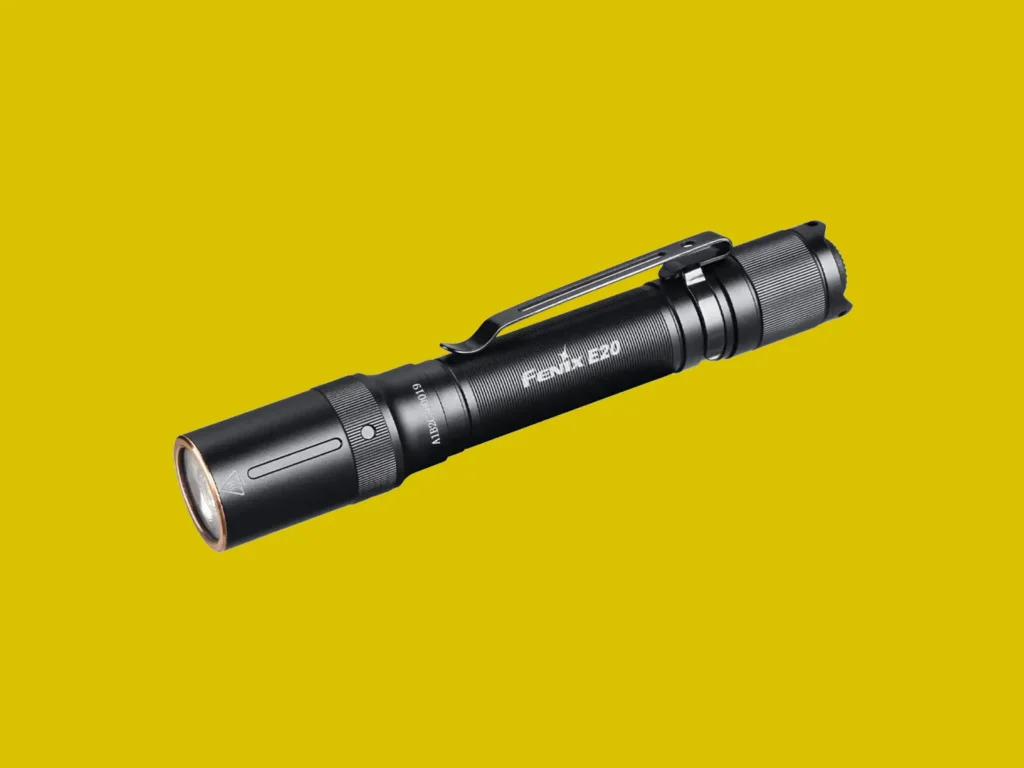
But why are flashlights such a vital component during emergencies? To understand this better, let’s delve into their role and importance in emergency preparedness.
Table of Contents
1. Understanding the Role of Flashlights in Emergency Preparedness
In any emergency, particularly during an earthquake, access to light can be a matter of life or death. Flashlights are an indispensable item in any emergency kit because they help illuminate dark areas when power goes out. They allow individuals to navigate through dangerous, debris-filled environments, locate supplies, and signal for help. A reliable flashlight reduces confusion and panic, which is crucial in an emergency situation.
While flashlights play an obvious role, their necessity becomes even clearer when we consider the sheer scale of power outages that earthquakes can cause.
2. Statistics on Power Outages During Earthquakes
Power outages during earthquakes are not rare. For example, the 2011 Tōhoku earthquake in Japan left approximately 4.4 million households without electricity. Such large-scale power failures can last for days, even weeks, in some cases, underlining the importance of flashlights during these crises. In earthquake-prone areas, ensuring that you have a flashlight ready can save lives during power failures when you’re most vulnerable.
These figures highlight the need for preparation. But what exactly should you look for in a flashlight to ensure it’s reliable during an emergency?
3. Key Features to Look for in an Emergency Flashlight
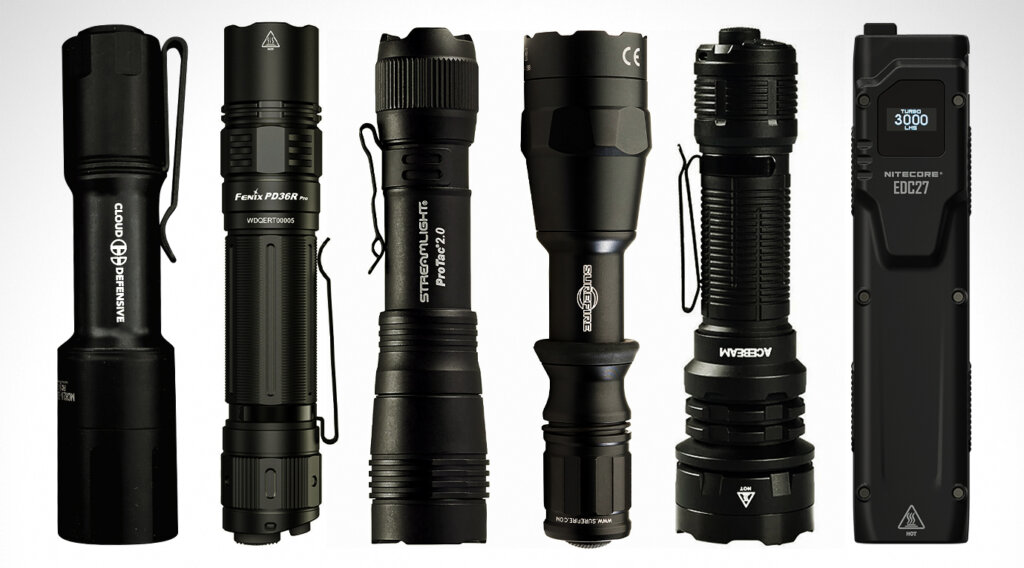
When choosing a flashlight for earthquake preparedness, certain features are non-negotiable. Here’s what you should look for:
- Brightness: Measured in lumens. Higher lumens provide better visibility, which is crucial in dark environments.
- Battery Life: Long-lasting batteries are essential, and rechargeable options are great for long-term preparedness.
- Durability: Look for water-resistant and impact-resistant designs to withstand harsh conditions.
- Size & Weight: Compact models are easier to carry and store.
Understanding these features not only helps you pick the right flashlight but also ensures you’re ready for any emergency. The benefits of having the right flashlight extend far beyond basic illumination—they directly impact your safety.
4. How Flashlights Enhance Safety and Navigation
Flashlights improve safety in dark environments, especially after an earthquake when roads and buildings may be damaged. They help illuminate hazards such as fallen debris, collapsed structures, or broken glass. In addition, flashlights act as a signaling device, making it easier for rescue teams to locate individuals in need of assistance, especially during the night.
This ability to provide light and safety has saved countless lives in the past. Looking at real-life stories can further demonstrate how crucial flashlights can be during an earthquake.
5. Real-Life Stories: Flashlights Saving Lives During Earthquakes
Many real-life stories highlight the importance of flashlights during earthquake rescues. For instance, after the 2010 Haiti earthquake, survivors used flashlights to navigate through collapsed buildings and signal rescuers during the dark hours of the night. Flashlights have saved countless lives, not only by providing visibility but also by allowing people to safely make their way out of dangerous situations. They remain one of the most vital tools for both victims and rescuers.
However, not all flashlights are created equal. To better prepare, it’s essential to know the types of flashlights available and which one might suit your needs.
6. Comparative Analysis of Different Types of Flashlights
Not all flashlights are created equal. Depending on your needs, certain types of flashlights may be more suitable for earthquake preparedness:
| Type | Features | Best Use Case |
|---|---|---|
| LED Flashlight | Energy-efficient, long battery life | General emergency use |
| Tactical Flashlight | Durable, may have strobe mode for signaling | Search and rescue operations |
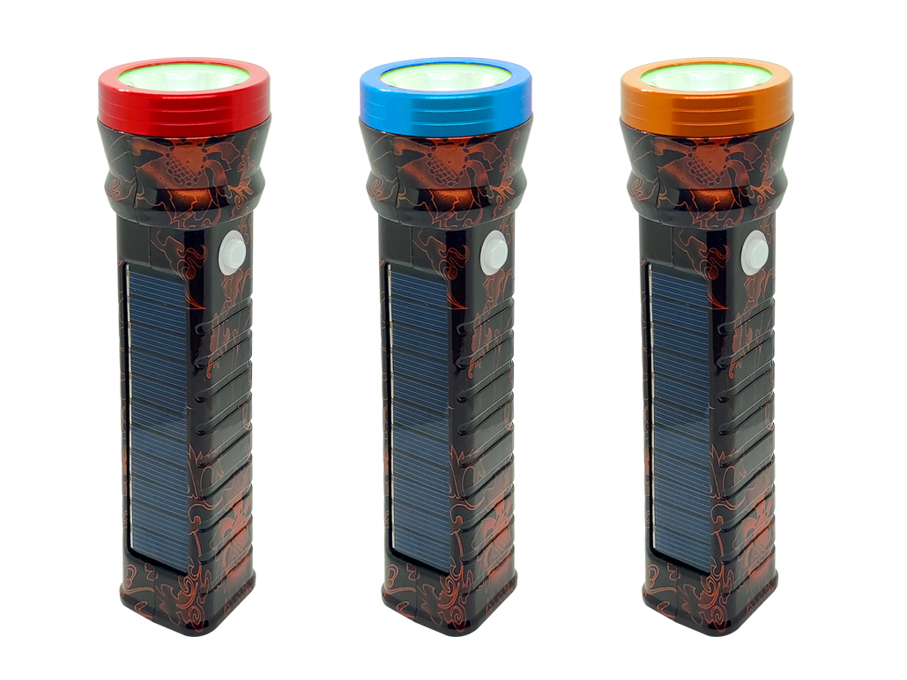
| Rechargeable Flashlight | Can be charged via USB or solar, long-term use | Long-term emergency preparedness |
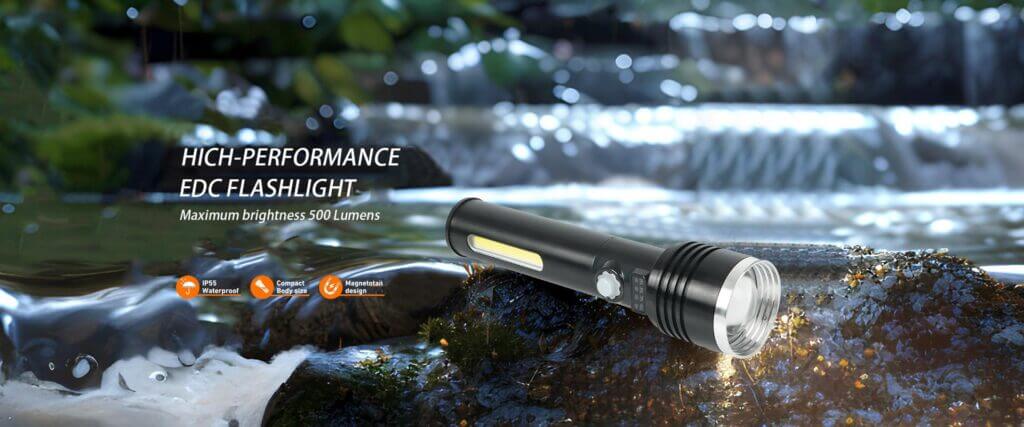
For example, the Multifunction Flashlight offers flexibility and reliability in emergency situations.
Choosing the right flashlight is important, but preparation goes beyond just having a flashlight. A well-stocked emergency kit is equally crucial.

7. Preparing an Earthquake Emergency Kit: The Essential Items
A comprehensive earthquake emergency kit should include several key items to ensure you’re fully prepared. Essential items to include in your earthquake emergency kit:
- Water and non-perishable food
- First-aid supplies
- Whistle for signaling
- Extra batteries for flashlights (or rechargeable flashlights)
- Portable phone charger
- Emergency blanket
Having a flashlight in your emergency kit is non-negotiable. It’s essential to ensure that the flashlight is functional and readily accessible when needed most.
For a broader selection of emergency supplies, visit our product page.
8. Maintaining Your Flashlight for Emergency Readiness
Your flashlight is only as good as its maintenance. Regular upkeep ensures that your flashlight is functional when needed the most. Here’s how you can maintain it:
- Check batteries regularly and replace them as necessary.
- Clean the lens to ensure clear visibility.
- Test the flashlight’s light output every few months to confirm its brightness and effectiveness.
Proper maintenance ensures your flashlight is ready for action when you need it most. But you may still have some questions about using flashlights in emergencies, which we’ll address in the next section.

9. Frequently Asked Questions (FAQs) About Flashlights and Earthquake Preparedness
Why is a flashlight essential during an earthquake?
A flashlight provides light when power is out, helping individuals navigate and find resources during an earthquake.
What should be included in an earthquake emergency kit?
Your emergency kit should include a flashlight, batteries, food, water, first-aid supplies, and a whistle for signaling.
How do you choose the right flashlight for emergencies?
Look for a flashlight that is bright (high lumens), has long battery life, is durable, and is compact enough to store easily.
What are the best types of flashlights for earthquake preparedness?
LED flashlights are popular due to their energy efficiency, but tactical flashlights and rechargeable flashlights are also excellent choices for earthquake readiness.
How can a flashlight help in rescue operations after an earthquake?
Flashlights help rescuers locate survivors by providing light in dark or debris-filled areas, making it easier to navigate and perform rescues.
10. Conclusion: Be Prepared, Stay Safe – The Importance of Flashlights in Earthquake Emergencies
Having a reliable flashlight ready can make all the difference in the aftermath of an earthquake. Don’t wait until disaster strikes—ensure that you have a quality flashlight in your emergency preparedness kit. Regularly maintain it, and make sure you choose one with the features that suit your needs, such as brightness, battery life, and durability. Be ready to act quickly and stay safe with a flashlight you can count on.
Ready to get prepared? Visit our product page to choose a flashlight that fits your emergency needs.